Road Accident Fund Crisis Deepens: R600 Billion Liability and 5-Year Settlement Delays Rock South Africa

Table of Contents
- Staggering Financial Crisis: R600 Billion in Liabilities
- The Human Cost: Victims Left Stranded
- SCOPA Hearings Expose Governance Failures
- Anti-Corruption Watchdog Points to Political Failures
- Legal System Under Strain
- The RAF Levy: Sufficient but Mismanaged
- Recent Court Awards Highlight System Dysfunction
- What Needs to Change?
- Looking Ahead: 2026 and Beyond
- Conclusion
Road Accident Fund Crisis Deepens: R600 Billion Liability and 5-Year Settlement Delays Rock South Africa
South Africa’s Road Accident Fund (RAF) continues to face unprecedented challenges in 2026, with recent parliamentary hearings revealing the extent of the crisis that has left hundreds of thousands of accident victims waiting for compensation. The latest developments paint a concerning picture of a system in dire need of reform.
Staggering Financial Crisis: R600 Billion in Liabilities
The most shocking revelation from recent SCOPA (Standing Committee on Public Accounts) hearings is that the RAF’s liabilities have exceeded R600 billion, while the fund has been technically insolvent since 1981. Former RAF board members testified that despite a 9c increase in the RAF fuel levy, the financial situation continues to deteriorate.
Key financial highlights include:
- RAF liabilities forecast to exceed R600 billion by 2022/23
- More than 320,000 outstanding claims in the system
- Average settlement time exceeding 5 years
- R215 billion paid out in social benefits between 2020-2025
The Human Cost: Victims Left Stranded
Behind these staggering numbers are real people suffering real consequences. The RAF’s “highly litigious” approach has resulted in:
- Families unable to cover medical costs while waiting for settlements
- Hospitals issuing thousands of summonses to recover unpaid RAF bills
- Service providers facing closure – notably Sunshine Hospital, which was forced to close after the RAF failed to pay R300 million in claims
- Accident victims left without income support during lengthy legal processes
SCOPA Hearings Expose Governance Failures
The parliamentary inquiry has revealed systemic governance failures spanning multiple administrations. Former board members highlighted several critical issues:
Administrative Breakdown
- 182 staff suspensions recorded between 2020-2024 due to fraud-related disciplinary processes
- Default judgments accounting for 3-5% of total liabilities
- Significant portion of revenue consumed by administrative and legal costs rather than claimant settlements
Political Interference
Former board members described a “hostile” relationship with current political leadership, citing:
- No engagement from Transport Minister Barbara Creecy since her July 2024 appointment
- Deputy Minister Mkhuleko Hlengwa allegedly instructing the board to withdraw litigation against the auditor-general
- Lack of strategic direction from the ministry
Anti-Corruption Watchdog Points to Political Failures
The Organisation Undoing Tax Abuse (OUTA) has placed blame squarely on political leadership, stating that since 2009, multiple transport ministers have failed to provide proper oversight of the RAF.
OUTA CEO Wayne Duvenage highlighted:
- “Runaway costs and lack of controls” attributed to the Department of Transport
- Appointment of individuals “not fit for purpose” to senior RAF positions
- Failure to implement systems preventing abuse and fraud
Legal System Under Strain
The crisis has created a domino effect throughout South Africa’s judicial system:
- Courts clogged with RAF cases – leading to calls for a dedicated RAF tribunal
- Mandatory mediation deemed “a failure” in reducing court roll backlogs
- Legal industry profiting from excessive litigation while victims suffer
The RAF Levy: Sufficient but Mismanaged
Despite claims of insufficient funding, analysis shows the RAF levy should be adequate:
- RAF levy increased from 41.5 cents per litre in 2008 to R2.18 today
- Average annualised increase of 9.7% – well above inflation
- Treasury allocated approximately R50 billion to RAF for 2025/26 fiscal year
- Finance Minister Enoch Godongwana froze further increases due to economic impact
Recent Court Awards Highlight System Dysfunction
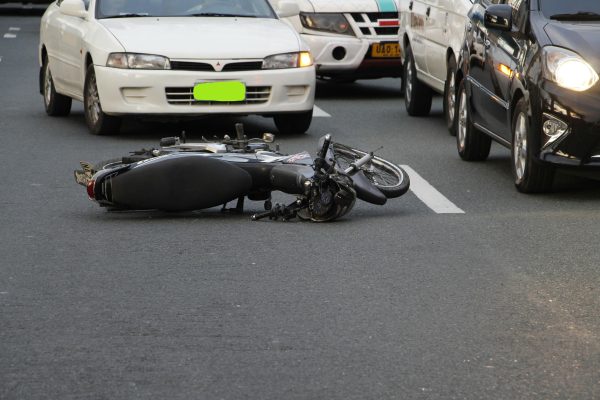
While the system struggles, some victims are receiving justice through the courts. In January 2026, a widow and her two children were awarded R3.7 million following a fatal motorcycle crash, demonstrating that when the system works, it can provide meaningful compensation.
What Needs to Change?
Experts and stakeholders have identified several critical reforms needed:
Immediate Actions Required:
- Legislative reform to address structural issues
- Sustainable funding model that doesn’t rely solely on fuel levy increases
- Fraud detection systems to prevent abuse
- Experienced leadership with industry knowledge
- Dedicated RAF tribunal to reduce court backlogs
Long-term Solutions:
- Review of the RAF Act to protect against abuse
- Implementation of insurance industry best practices
- Accountability framework for political oversight
- Recovery of funds from lawyers who unlawfully benefited
Looking Ahead: 2026 and Beyond
As 2026 progresses, the RAF crisis remains a significant fiscal risk to South Africa. The National Treasury has warned of a worsening debt position, with provisions expected to rise from R353 billion in 2023/24 to R423 billion in 2027/28.
The ongoing SCOPA inquiry represents a critical opportunity for accountability and reform. However, without decisive action from political leadership and comprehensive systemic changes, hundreds of thousands of South Africans will continue to suffer while waiting for the compensation they desperately need.
Conclusion
The Road Accident Fund crisis is more than just a financial problem – it’s a humanitarian crisis affecting some of South Africa’s most vulnerable citizens. With over 320,000 outstanding claims and settlement times exceeding five years, urgent action is needed to restore public confidence in this critical social safety net.
The path forward requires political will, administrative competence, and a commitment to serving accident victims rather than enriching legal practitioners and administrators. Only through comprehensive reform can the RAF fulfill its mandate of providing timely, fair compensation to those who need it most.
Stay updated on the latest RAF developments and other important South African news by following our blog for regular updates and analysis.

Media
RAF Loans content specialist with expertise in Road Accident Fund claims and financial solutions for claimants.
Need Financial Relief While Waiting for Your RAF Claim?
Our simple application process can help you access funds quickly.
Apply NowWhat to read next
Browse all RAF updates →
Road Accident Fund (RAF) South Africa: Key News and Updates – September 2026
The Road Accident Fund faces a perfect storm in September 2026: a...
Road Accident Fund South Africa Key News September 2026
The Road Accident Fund (RAF) in South Africa faces significant developments in...